Friday, 10 March 2017

More Effective Ecommerce Packaging Solutions

A Story of Two Sectors: Ecommerce Packaging

Regardless of the fact that we've all been able to buy things digitally for years at this level, internet sales continue to rise year after year. In 2018, households spent just under $3 trillion on internet shopping, up 18% over 2017's still-staggering $2.4 trillion and a substantial increase from 2016's $2 trillion. This is just B2C internet sales; in 2018, online B2B sales surpassed $1 trillion.

A similar upward tendency may be seen in the corrugated business. The sector as a whole is developing at a rate of almost 4% per year and is anticipated to reach $300 billion by 2023. The corrugated sector will continue to develop in the years ahead, thanks to the rising usage of online merchants such as Amazon, Walmart, and many more, and also firms that used to concentrate on brick-and-mortar shopping but have since switched to greater online sales (such as Staples).

Isn't It A Win-Win Situation?

For carriers, ecommerce is impossible without corrugated, and ecommerce accounts for a substantial percentage of the corrugated industry's development. While both businesses are growing at breakneck speed, such expansion comes with new challenges for all sides.

Organizations are starting to look at new ecommerce packaging options, not just to become much more productive as their shipments grow, but also to keep prices down. Luckily, a variety of solutions are currently available to make ecommerce packaging issues easier and more effective for businesses.

Let's take a look at several trends that have been gaining traction in various sectors across the world, and how they may help businesses handle the "positive issues" that occur with year-over-year growth.

Fit-to-Product (FtP)

Firms have realized the need to create the most of their delivery of raw materials and packaging storage as subscription-based retailers (examples include Dollar Shave Club and FabFitFun all the way up to Amazon's own membership delivery) and also those essentially promoting their goods online. Companies are looking for innovative ecommerce packaging that is more closely matched to their goods, organizational image, and long-term goal as a consequence of this, along with a stronger focus on marketing.
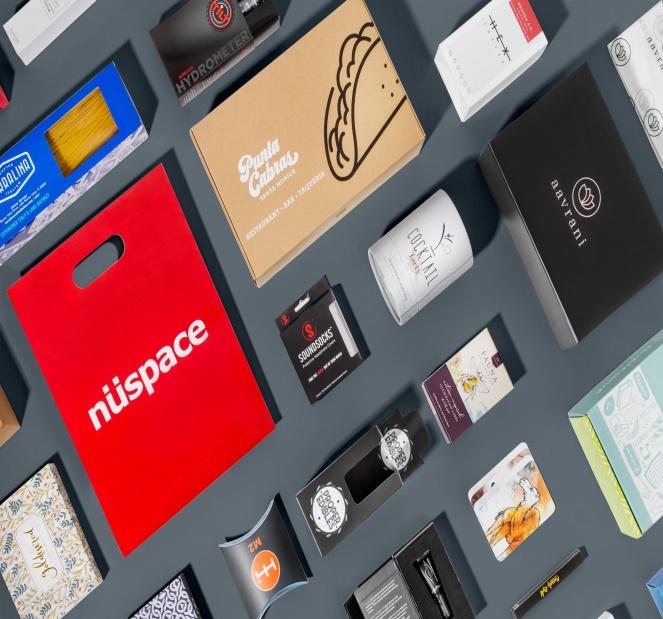
Custom ecommerce packaging may be developed, manufactured, and executed more reliably and cost-effectively with the proper packaging partner. This allows you to satisfy your clients' needs without losing the proper packaging or having to deal with potentially expensive or complicated packaging issues. It also guarantees that your items have the desired impact when they reach at your consumers' homes.

Retail-Ready Packaging

Closely connected to FtP package is retail-ready packaging, which improves the overall performance and effectiveness of the order fulfillment process. B2B firms who sell items online and deliver them to other shops may cut expenses by collaborating with a packaging specialist to produce containers that are available for shelves as soon as they arrive.
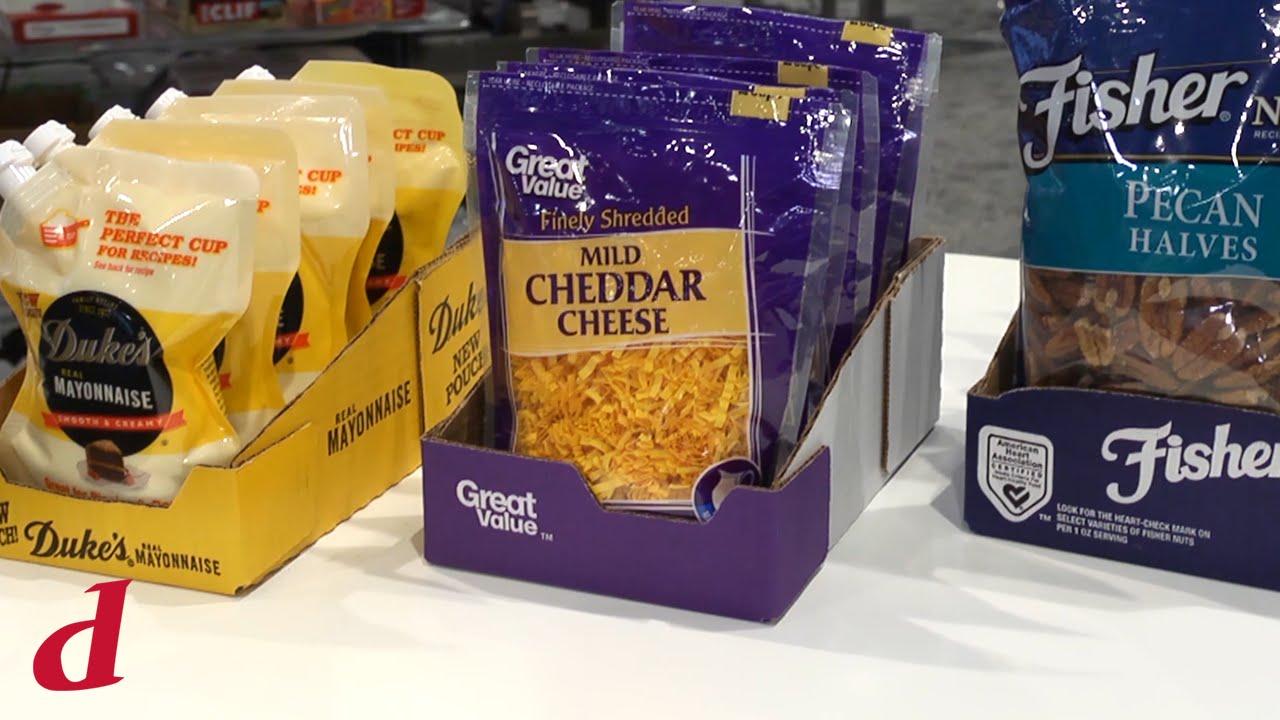
As merchants don't have to unbox single items from bigger containers, stock them one after the other, and so on, these sorts of containers may be customized with die cuts for showcase reasons, helping you to get products into customer’s hands quicker. They can easily remove containers off a pallet or van and place them on the ground. You may also add a number of designs and other elements to better market your business as they're built of dependable and incredibly strong corrugated material.

Automate as Much as Possible

While the methods listed above can help you deliver items to stores and even straight to customers more quickly, there's always the issue of your own packaging provider to consider. With the explosive growth of ecommerce and consumers' rising pressure for faster delivery, it's becoming extremely relevant for you to be able to concentrate on your good or service, business, and customers — without the confusion of trying to handle packaging stock levels, make purchases for more, and interact with suppliers. 

Electronically supplier supply, or eVMI, is an example of an automation packaging system that allows you to concentrate on your company while keeping your packaging stock in the hands of your supplier. Since some phases in the way, like as assembling and shipping processing, cannot be completely automated, removing the burden of maintaining your ecommerce package stock can allow you to keep your progress – and save effort and cash on the side.

From creative package designs to our patented eVMI technology that automates packing for businesses across all industries, our qualified and experienced team will assist with you to solve almost every ecommerce packaging issues you seem to have.


Tuesday, 13 December 2016

Better Boxes Sell More

Many candy businesses spend most of their time thinking about flavors, recipes, or decorations while barely noticing the packaging carrying the product. Then one day complaints begin showing up about crushed chocolates, messy deliveries, or stale candy arriving at customers’ homes. In many cases, the candy itself is not the real problem. The issue starts with packaging that was never designed to properly protect the product during storage, handling, or shipping.

A question many business owners ask is whether customers truly notice candy packaging. The answer becomes obvious during gift-giving seasons. People buying candy for birthdays, holidays, weddings, or thank-you gifts often care deeply about presentation. A neat candy box creates a stronger first impression before the package is even opened. Customers naturally associate organized packaging with professionalism and quality.

Another common question involves why some candy arrives damaged even when it was packed carefully. Delivery systems today move products quickly through warehouses, trucks, conveyor belts, and front porches. Packages may be stacked, tossed, or shifted multiple times before reaching the buyer. Candy boxes with stronger construction help absorb some of that stress and reduce movement inside the package.


Chocolate sellers deal with another challenge that many newer businesses underestimate. Heat affects candy quickly, especially during summer months. While no box can completely stop melting, proper packaging can help reduce exposure and slow down temperature changes long enough for products to travel more safely. Businesses shipping long distances often pair dependable candy boxes with cooling materials to improve protection.

Another thing people frequently ask is how packaging affects repeat customers. First impressions matter, but so does consistency. When buyers receive candy in secure, organized packaging every time, they feel more confident ordering again. Customers remember businesses that deliver products neatly instead of arriving with crushed corners or sticky wrappers pressed together.

Candy boxes also help during busy production periods. Holidays such as Christmas, Valentine’s Day, and Easter create huge spikes in candy orders. Organized packaging makes it easier for workers to sort, stack, and move products quickly without creating confusion. Structured boxes can help reduce inventory messes and improve efficiency during high-volume seasons.

Farm markets, local bakeries, and small candy shops often ask if packaging really matters for in-person sales. It absolutely can. Customers browsing tables or store shelves usually make quick decisions based on appearance. A clean candy box helps products look more appealing and easier to trust. Even handmade treats can appear more polished when packaged neatly.

Parents organizing school events or fundraisers also benefit from better candy packaging. Secure boxes help prevent damaged products while making transportation simpler for volunteers and teachers. Candy that stays organized is easier to distribute during large events where products move quickly between people.

Another growing topic involves environmentally responsible packaging. Many shoppers today appreciate boxes that can be recycled or reused instead of immediately thrown away. Businesses using recyclable candy boxes may appeal to customers who care about reducing waste while still wanting dependable product protection.

Packaging also helps businesses communicate information more clearly. Candy boxes provide space for flavor descriptions, ingredient details, allergy notices, or company branding. This can improve the customer experience while helping products stand out from competitors on crowded shelves.

Great candy deserves more than weak packaging that falls apart under pressure. A dependable candy box helps products stay fresh, travel safely, look better, and create stronger customer confidence from beginning to end.

Saturday, 14 November 2015

The Simple Packaging That Helps Sweet Treats Stand Out

Candy boxes are one of those packaging tools that immediately change how a product is perceived. A piece of chocolate on its own is just a treat. But that same piece inside a well-made box suddenly feels like a gift—something worth savoring, sharing, or giving to someone special. That transformation is why candy boxes are used in shops, bakeries, events, and gift businesses everywhere.

One of the biggest strengths of candy boxes is how they elevate presentation. People shop with their eyes first. Before tasting anything, they judge the look, the color, the arrangement, and the packaging. A strong, neatly folded box makes candies look organized and intentional. When treats sit in rows or nestle into small compartments, they instantly feel higher quality. Customers notice this. It’s one of the reasons they’re willing to pay more for boxed sweets—they’re buying the experience, not just the food.

Candy boxes also protect the treats inside. Chocolate can melt or smudge. Fudge can dent or flatten. Coated candies can chip. Without a box, the product loses its shape long before it reaches the customer. A sturdy candy box prevents that. It keeps everything in place, guards it from humidity or dust, and protects it during transportation and display. Whether the box is carried across town or shipped across the country, the structure helps the candies arrive looking just as beautiful as the day they were packed.

For businesses, candy boxes also create efficiency. Staff can pack chocolates quickly without dealing with messy wraps or odd-shaped containers. A box with predictable dimensions fits perfectly into shelves, displays, and gift bags. During busy seasons—like Christmas or Valentine’s Day—this convenience becomes essential. The faster workers can package treats, the more customers can be served without compromising quality.

Another benefit is portion control. Candy boxes make the product easier to price and easier to inventory. A six-piece box, a twelve-piece box, or a sampler assortment creates clear, consistent options for customers. Shops don’t have to weigh or count loose items over and over. Everything becomes predictable—something both customers and employees appreciate.

Candy boxes also make branding simple but powerful. A business doesn’t need expensive printing to create a memorable look. A sticker with a logo, a colored ribbon, or a custom label can turn an ordinary box into a recognizable brand asset. Some shops choose earthy kraft boxes for a handmade feel. Others pick glossy finishes for a more luxurious appearance. Even the shape of the box—square, rectangular, heart-shaped, or windowed—communicates something about the product and the company.

Clear window boxes deserve special mention because they blend presentation with practicality. Customers can see exactly what they’re buying. For beautifully decorated chocolates, dipped fruits, or pastel-colored candies, this transparency boosts impulse purchases. People love what they can see. A windowed candy box gives just enough of a preview to make the decision easy.

Candy boxes are also extremely useful outside commercial settings. Home bakers use them to present holiday sweets. Brides and event planners use them for favors. Parents use them for classroom treats or birthday giveaways. The box becomes part of the memory—something guests take home that makes the moment feel just a little more special.

What makes candy boxes so effective is their versatility. They can be elegant or simple, luxurious or minimal, festive or understated. They work for premium truffles, homemade fudge, colorful candies, and everything in between. No matter the style or occasion, the box enhances the treat.

Candy boxes turn sweets into experiences. They offer protection, beauty, convenience, and emotional impact—all at once. For something so small and lightweight, they make a surprisingly big contribution to how people enjoy, gift, and share their favorite treats.

Tuesday, 8 September 2015

Make Candy Gifts Stand Out

Ever handed someone a box of chocolates only to see them unwrap it and frown? It happens when candy is jumbled, smashed, or looks plain. But with a little planning, candy boxes can be more than treats—they can be moments of joy. Imagine their face lighting up before they even taste a single bite. That’s the power of packing right.

Before you pick a box, separate candies by size, shape, or type. Tiny truffles go in one section, small caramels in another, and long chocolates can line the sides. Picture arranging them like little soldiers, each standing neatly in its place. This keeps chocolates from bumping into each other and turning into a sticky mess.


Many candy boxes come with inserts—little trays or dividers that hold each piece. Even if the box doesn’t have them, you can create your own with cupcake liners or parchment paper. Think about how each candy will rest in its spot. A well-inserted candy feels like it’s sitting on a velvet cushion, safe and ready to delight.

If your box is tall and needs multiple layers, place tissue paper or thin cardboard between them. Imagine opening the box and lifting a neat layer to reveal another surprise underneath. Layers keep candies from squishing together and make the unwrapping experience feel like opening a mini treasure chest.


Nothing kills excitement faster than stale candy. Make sure your box closes snugly. Ribbon, elastic bands, or magnetic closures help protect treats and make the box feel elegant. Picture giving the gift and knowing the recipient will taste chocolates as fresh as the day they were made.

Candy boxes are fun to dress up, but balance is key. A splash of color, a small bow, or a sticker can turn an ordinary box into something special. Imagine your recipient seeing it on the table, already feeling delighted before even opening it. Small touches create big impressions.


Candy boxes don’t have to vanish after the last treat is eaten. Choose ones that can be reused for small storage, keepsakes, or crafts. It’s a thoughtful way to show care for both your recipient and the environment. Picture the box as a mini treasure chest that keeps giving long after the candy is gone.


Finally, include a note or card. A few words like “Enjoy every bite!” or “Just for you” make the candy feel personal. It turns a simple gift into an experience that lingers in their memory. Picture them smiling as they read your note, feeling special and appreciated.


Packing candy boxes is about more than keeping chocolates safe—it’s about creating joy, excitement, and lasting memories. With careful sorting, inserts, layers, sealing, decoration, and personal touches, your gift becomes an experience. Each candy feels like a small moment of happiness, and the box? A keepsake that shows thoughtfulness and care.


Friday, 10 October 2014

How Designing a Package Creatively boosts Sales

A lot of packaging comes in bland, boring boxes. But did you know that it is a full-fledged marketing tool, utilized to help bolster sales. A lot of times, the packaging sells your items so much more than the product themselves.

Packaging interacts with the customer’s decision, playing a critical role in the decision-making of a brand, and overall branding perception.

Shifting from packaging as a type of protective tool to a legitimate marketing asset is important, and taking on that shift will allow for you as a brand to really tap into what a customer wants. 


Here, we’ll go over how to creatively design a package, in order to bolster the brand, marketing, and all sorts of design elements that matter. 

Designing Based on the Brand 

Overall, when creating this type of packaging, you want to design based on the brand.

This includes the personality of the brand, its values, and the overall messages.   You want to make sure that, with this brand, you’re able to foster a bit of excitement for all of the branding elements that are there.   your brand matters, and to tap into this means that you’re creating a unique way to foster all of this in its own way. 

Incorporating Elements for Excitement 

Some of the other ways to make your packaging stand out is to utilize some of the cool parts of this, and from there, properly execute it. 

First and foremost, there’s brand storytelling. Every brand has a story that they need to share, and you need to ensure that the brand storytelling is right there, ready to get the job done.

Another thing is visuals. Visual elements play a critical role in the overall nature of this, and you’ll be grateful at how unique and exciting this can be.


Emotional triggers are another part of this. make sure that the emotions you develop for your packaging do properly resonate with your customers.   These triggers definitely play a focal part in whether or not a customer will buy from you.

Take for instance a package at the store.   Giving them a unique design, the story of what makes this special, and appealing to emotions, such as a commitment to sustainability, or giving customers that feeling of luxury, will properly resonate with these customers. These emotional triggers play a huge part on the overall resonance and will definitely create excitement.

The Benefits and Drawbacks 

With this type of packaging, you can properly bolster your sales using some packaging, in order to craft emotional connections, and to convey the overall product value. Customers do see value in the emotions that you foster with this, so don’t forget it.

The second thing is that it tells people what they’re getting, and how special this is. it reinforces your branding identity too.

Adding limited edition and loyalty program incentives, and even cross-promotions for brands will really make this shine.


However, with this, you need to also focus on the balance between practicality and appeal. A package that looks good won’t mean jack if it ends up breaking down in transit, and it can make a huge difference in how a brand perceives you, especially if the packaging is flimsy.

But, with all of these novel means to really make your packaging rock, you’ll be able to create an excitement in the customer’s eyes.   creating a marketable, branded product is a good way to influence customers. Some may even feel more influenced by this, so make sure that you add excitement to your product, especially wherever you go and the effects you wish to create.


Friday, 3 January 2014

A Fresh Year Deserves Better Packaging

January feels like a reset button for candy businesses. The rush is over, the pace slows, and there is finally room to step back and look at the operation as a whole. This is when packaging choices start to matter more, not less. Candy boxes used during this month often become the standard for the rest of the year.

After the holidays, many brands realize their boxes survived only because volume pushed everything forward. When orders slow down, weaknesses stand out. Boxes that felt acceptable in December suddenly feel flimsy. Lids that required extra pressure become annoying. Inserts that shifted get noticed. January reveals what packaging can truly handle.

Candy boxes play a quiet but critical role in customer experience. Before the candy is tasted, the box is seen, touched, and opened. If it feels soft or unstable, the impression changes instantly. Even premium candy can feel less special when the box does not support it properly. January is the best time to fix that before customers form new habits.

This month is also about preparation. Valentine’s Day is right around the corner, followed by spring gifting and everyday sales. Candy boxes chosen in January will likely be used again and again in the months ahead. That makes consistency important. Boxes should close the same way every time, stack the same way every time, and protect candy the same way every time.

Storage also becomes more visible in January. Inventory is counted, shelves are reorganized, and products may sit longer between shipments. Weak boxes lose shape when stacked or stored. Strong candy boxes maintain their structure and remain usable instead of becoming wasted stock.

Another factor that shows up clearly this month is labor. When packaging is inconsistent, packing slows down. Workers adjust lids, reposition candy, or re-pack items that shift. These small actions repeat hundreds of times. Better candy boxes remove those interruptions, making packing smoother, faster, and more predictable.

January is also when budgets feel tighter. Holiday spending is behind, and businesses want to start the year responsibly. Replacing damaged boxes or candy costs more than choosing quality packaging upfront. Strong candy boxes reduce waste, returns, and rework, protecting margins without sacrificing presentation.

There is also a practical responsibility element many businesses think about at the start of the year. Using boxes that hold up well means fewer failures and less material thrown away. It is not about changing everything or making bold claims. It is about choosing packaging that performs well and lasts through normal use.

Candy boxes that work properly also support brand confidence. Customers may not mention a good box, but they remember when something arrives damaged or sloppy. A solid box quietly reinforces trust. Over time, that trust becomes part of the brand’s identity.

January gives businesses the time to make these improvements without pressure. Testing box styles, sizes, and strength now prevents problems later when volume increases. It is much easier to adjust packaging in a calm month than during a busy season.

A new year does not require dramatic changes—it requires smart ones. Candy boxes that protect products, reduce waste, and simplify daily work help set a strong foundation. When packaging is handled right in January, the rest of the year runs smoother. This month is not about slowing down; it is about building better systems. Candy boxes are one of the simplest ways to start the year on stronger ground.

Saturday, 27 July 2013

Challenges and Innovations for Cannabis Packaging

The cannabis industry has grown.   Even in states where THC isn’t legal, CBD is popular, and with delta-8 and delta-10 options, it’s a medical option for a lot of people. The one thing that comes with this industry however, is the packaging, as it does require specific packaging.

This isn’t just for protection and freshness of materials. It needs different types of packaging that’s become a major factor in how these items are packaged, especially with tamper-evident items. 

Here, we’ll go over the different considerations and packaging solutions that offer sustainability, and brand options that change the industry for the better. 

Why different Packaging 

As we know, cannabis is a substance that’s only allowed to be sold and used by those over 21, just like alcohol.   Children, if they get into this, might try to eat the cannabis edibles. Which, if you’ve ever been high, poses a major issue for kids. 


With that said, there needs to be certain kinds of packaging that’s child-resistant.    Packaging with twist tops or boxes that require you to pull and get the item out are commonly used. 

Tamper-evident packaging is also used. Quality might suffer, and there are bad people who might try to insert some chemicals into the cannabis, posing a problem for everyone.

With that said, you also need to focus on the branding and packaging for cannabis.   Choosing something that fits the brand, telling customers what it is, while protecting the content is important. Flowers, for instance, are sold in airtight jars because they’re left in dark, dry places. If left in the sun or near water, it causes the cannabis to degrade, and even causes mold to form, which isn’t good.

So yes, you need to consider these factors when creating cannabis packaging that’s innovative and sustainable. 

Innovative Solutions 

Here, we’ll go over some of the different solutions and companies offering a unique type of packaging for you to use.


The first, are pre-roll tubes with child-resistant lines. This tube is super easy to pack, and sustainable. The best part is that these tubes are reusable too, so once you’re done, you bring it back.

There is also the AssurTin, which is from AssurPack, which is a lockable polypropylene tin, which means it’s recyclable. It locks, so children can’t open it. Once a person is done, it can be recycled.   The metal is easily recyclable, and contributes to circular packaging. 

Hemp plastic containers are another one. This is a biodegradable type of plastic that’s easy to compost as well. the containers are child-resistant.   Dama is one that offers pre-roll tubes, bamboo tubes, glass containers, and hemp exit bags, all of which are easy to toss when you’re done.   

Finally, there are lockable flower jars and various exit bags for you to use.   The jars are made with glass and a bioplastic lid. Exit bags are made with sugarcane and other plant—based materials. 

What’s crazy is a lot of these companies are taking the next step. They lower their emissions, and HISIERRA, who is known to make these bioplastic bags and jars, even makes these in wind-powered factories. 


Plant-based packaging and accelerators are also common, and with this style, it removes the bio-based sorts of resins, and it limits pollution. 

There are a lot of different ways to use this, and with more technologies, including nitrogen canning for flower freshness, is being used to prevent the buds from being dried out.  

All of this contributes to good branding, and is a sustainable solution after one’s done using the item.


Why Saying Things with a Box is Better than Ever

  Packaging is not just a straight approach, but rather omnichannel.  A lot of marketers have heard of this, but this is something that has ...