Saturday, 12 May 2018

E-Commerce Packaging with Custom Design

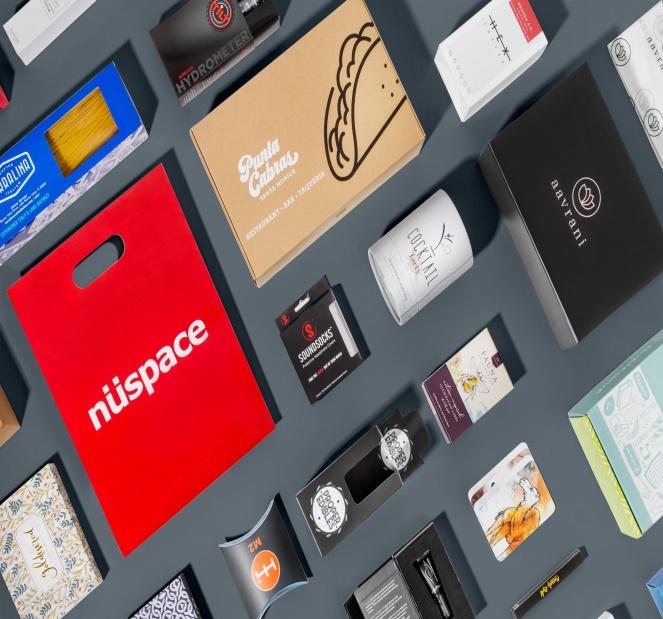
Make your company come out with packing that satisfies the customer and provides a memorable unwrapping experience. If your company is internet - based, your packaging is the first direct interaction you have with your customers. Without any of the effect of a face-to-face interaction, your packaging must create a strong case for your consumers to purchase from you again. As your consumer will believe like you invest time into wrapping their purchase specifically for them, custom box design for e-commerce will create the moment your goods comes customized.

Instead of shipping out a plain brown package, create your items' delivery shine out! Keep your package appear like you, not fluorescent green with a ton of creativity (except, of course, this suits your logo), but make it appear as you. Your consumers will immediately know your goods, which can assist generate anticipation for their purchase before they ever receive it.

E-commerce has been expanding at an increasing rate during 2014, and it is anticipated to rise by 88 percent in 2018. E-commerce firms are springing up all over the internet, from subscription services to handcrafted goods. In an increasingly competitive market, one method for new enterprises to distinguish out is by custom packaging.
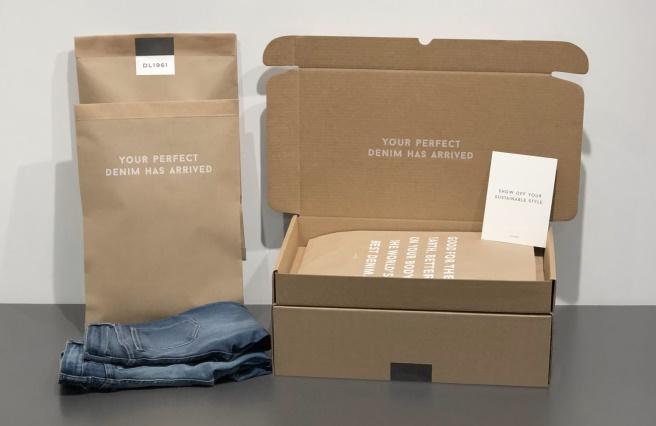
Custom box design may enhance your delivery stand out while also protecting your items better than standard boxes. Due to the obvious differences in the delivery procedure between e-commerce and regular retail, packaging security is extremely crucial for e-commerce firms.

On their way to the consumer, items bought from physical and mortar businesses are processed an average of five times. Forklifts and pallets are used for the whole of the typical retail delivery procedure, leaving limited opportunity for parcels to be destroyed (although it indeed does happen.) When your item goes between delivery facilities and delivery vans in e-commerce, it may be carried out manually 20 times or more. There is a lot of danger here when so many individuals handle your goods before it ever gets to its location. As you'll be designing a container which will operate exactly as your items require, custom box design may assure that your goods receive the best possible safety.

For e-commerce firms, damaged items may be a headache. Your firm might live or die based on consumer evaluations, and most consumers would cut connections with a company if their goods come damaged. With stronger product security, you can prevent individuals from posting unpleasant or dissatisfied remarks on your social media sites, which might put off future consumers.

Although custom box design may appear to be costly initially, consider that. A broken product costs a company 17 times what it would charge to delivery. If you could avoid this expenditure from the outset by using high-quality packaging, you might be able to save money.

To Encourage Repurchase, E-Commerce Necessitates a Creative Approach to Custom Packaging

Another issue that e-commerce firms confront is that their consumers' purchasing decisions are primarily based on what they see available on the internet in photos and reading the details. Returning is common since customers can't view the product they desire in reality. Rates of return for e-commerce businesses are generally 20 to 30 % that is massively greater than the regular average of 5%.

In addition to a greater return rate, it's been proven that e-commerce buyers want a simple return procedure, which your packing may assist with. You may utilize custom packaging designs to create a simple return delivery label for your consumers. It's possible that your company may benefit from creating recyclable containers. Corrugated envelopes with tear edges minimize the amount of return package, making shipping the second time less expensive for you.

Another approach to create a positive first impression on your clients is that express that you care about global warming by using environmentally friendly packaging. Customers are becoming increasingly concerned about sustainability.

Consumers will be more involved with your company if you make things easy for them to reuse your packing. Your consumers want packaging that is simple to decompose and clearly demonstrates that it is reusable. For many people, sustainability is fast transitioning from a movement to a demand, and you do not want your company to be judged badly because you choose to ignore it. Fortunately, corrugated is among the most recyclable materials on the earth, so you can include it into your custom packaging.

For any online business, custom packaging is a requirement. When you're willing to take a step further, look at how ecommerce packaging varies from standard box labeling.


Sunday, 25 February 2018

The Overview To Foam Packaging's Advantages

Create Your Packaging Better and More Effective by Using Foam

It's a terrible to lose items because they damaged during transportation. If your packages are in transportation, how can you keep them safe? Working on how you place items within your package is one approach to enhance it. Foam packing provides great durability, and the advantages of foam packing can help your organization avoid losing revenue due to damaged deliveries.

High-quality foam can easily defend your items from shocks and falls by working as a pillow. Even the most serious errors may be prevented by using foam that is custom-made to your packaging's requirements.

However, it isn't only about safety. Another advantage of foam packing is that it provides a professional touch to your business. When a client opens your package and finds that it's properly packed with foam, it enhances their affection for your company by creating a line of confidence that you're doing everything to ensure that their purchase arrives properly.

Foam packing is also reasonable. Foam is a lightweight material that is extremely simple to manufacture and modify, making it cost-effective. When you use foam in your packing, you can rest easy knowing that your items will be protected during their journey.

Foam packing, like corrugated packaging, comes in a variety of kinds and designs and may (and should) be tailored to match the appearance of your items. Which type of foam packing is best for your company? Take a look at this list of the most common varieties of foam that you may use in your packing. There are many various types of foam accessible, each with its own set of qualities and uses to fulfill your company's various requirements.

Polyurethane (PU)

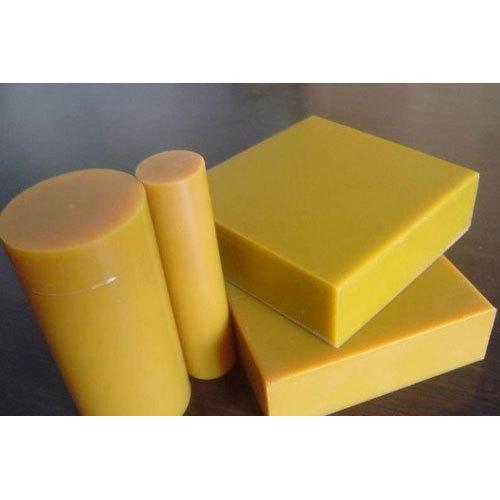
Because of its capacity to be molded into a variety of shapes, polyurethane is among the most versatile types of foam. It is smooth, open-cell foam that may be easily molded to fit a variety of items. Its flexible nature allows it to absorb shock and rapidly return to its original structure. It's frequently twisted into egg crates, or utilized as padding and unique forms to ensure that your products are properly protected.

Because of its flexibility and capacity to endure scratches and dents, PU is an ideal choice for protecting light-weight delicate objects. It also has a minimal odor and is mildew resistant, making it ideal for delivering foods or moisture-sensitive items. Polyurethane foam comes in two major kinds: polyether and polyester, as well as ESD and anti-static options. Polyurethane foam may be easily modified to fit the needs of your item. It may be made in a variety of colors and sizes to suit your requirements.

Polyethylene (PE)

PE foam is considerably denser than PU foam. This form of closed cell foam packing is ideal for companies who manufacture high-sensitivity items but require a more durable packaging component. PE foam has the advantage of being very resistive to breakage and moisture, making it an ideal choice for objects that require particular attention. It also works as an absorber and diminishes shocks. It can also take many forms, such as ESD and anti-static.

Along with its flexibility and ability to guard against a wide range of frequent accidents, polyethylene is ideal for goods that require further security. Organizations can use PE foam as planks, lamination, and dual skived, crosslink, and roll material in their packing. This foam may also be customized in a variety of sizes and colors to meet your specific requirements.


Anti-Static

Electronic items, ranging from computers to automobile parts, benefit the most from this sort of foam. This foam not only provides great comfort, but it also removes and absorbs electrical currents, shocks, and electro-shock static, preventing interior product damage during shipment.

Anti-Static foam has the advantage of protecting not only your goods when it is being sent, but any other electrical equipment outside of your container and any persons who may come into touch with your goods while it is being carried from getting shocked.

Convoluted Foam

Although most foam are plain, convoluted foam, often known as egg crate foam, contains elevated regions that provide additional security and stress absorption. To ensure that your goods are adequately managed during shipment, the elevated sections allow the foam to safeguard against collisions and absorb shocks. This foam is also extremely long-lasting, allowing it to be recycled in fresh packaging for many years.

Foam is a great way to preserve your items while they're being delivered when used in conjunction with corrugated packaging. Foam packing ensures that your items reach securely at their destination and gives your clients a superior initial experience when they unbox your goods.


Sunday, 30 July 2017

How To Throw A Good Party

One of my favorite things to do in the summer time is to have people over for parties and other types of gatherings. There is honestly nothing more satisfying than having people over in your own space and having fun entertaining people while they enjoy the company of the people around them. If you are like me and enjoy these types of things, then you definitely know what it is like to try to plan a party. Planning a party is actually a lot harder than most people think or want to admit.


I think it is true that most people don’t like to plan parties or have people over, and this can only be attributed to the fact that they are extremely selfish people and don’t want to have people enjoying themselves. Well, I have loved having people over to my new apartment to throw parties and other things like that. Whether it just be hanging out with friends, celebrating a birthday party, or even throwing a party or having a small gathering for a holiday, it is a true blast to have people over in my new apartment. However, I am familiar with many people struggling to throw parties because they feel like it’s too hard or they don’t know what they are doing. Well, I am writing this article because I want to help these kinds of people out and help them actually do something with their lives and achieve their goals to have a cool party in their home. So without further ado, here are some tips and tricks about how you can throw a party in your own home.


The first thing you need to know about throwing a party is that you should always have a lot of good food available to the people attending your party. I  mean, how would you feel if you showed up to a party all excited to get your hands on some yummy treats, only for there to be no food offered in any way, shape, or form; personally, I always leave these types of parties immediately. So when you are doing some party shopping, make sure to pick up as much food as you can afford. I also don’t want you to just buy some regular old groceries that you would find in your mom’s refrigerator at home - instead, buy a plethora of candy boxes, bags of chips, hot wings, pizza rolls, ice cream, cookies, and honestly any other snack that you can think of. I personally enjoy buying candy boxes because they are extremely cheap; also, who doesn’t love candy?


Another tip that I can give you for throwing a party is that you should always ask for help when cleaning up. Some people are extremely rude and go to a party, make a mess, and then leave without even uttering a thank you to the person who did all the work of actually setting up and hosting the party. That is why it’s important for you to ask a few people to stick around before they go and help you clean up. This may be a little awkward at first, but unless you invited some fairly rude people to your party, there should be a lot of people willing to stay and help you clean up a little bit. I mean, I know that I would help anyone clean up after a party since I’ve had to do it by myself so many times.


Friday, 10 March 2017

More Effective Ecommerce Packaging Solutions

A Story of Two Sectors: Ecommerce Packaging

Regardless of the fact that we've all been able to buy things digitally for years at this level, internet sales continue to rise year after year. In 2018, households spent just under $3 trillion on internet shopping, up 18% over 2017's still-staggering $2.4 trillion and a substantial increase from 2016's $2 trillion. This is just B2C internet sales; in 2018, online B2B sales surpassed $1 trillion.

A similar upward tendency may be seen in the corrugated business. The sector as a whole is developing at a rate of almost 4% per year and is anticipated to reach $300 billion by 2023. The corrugated sector will continue to develop in the years ahead, thanks to the rising usage of online merchants such as Amazon, Walmart, and many more, and also firms that used to concentrate on brick-and-mortar shopping but have since switched to greater online sales (such as Staples).

Isn't It A Win-Win Situation?

For carriers, ecommerce is impossible without corrugated, and ecommerce accounts for a substantial percentage of the corrugated industry's development. While both businesses are growing at breakneck speed, such expansion comes with new challenges for all sides.

Organizations are starting to look at new ecommerce packaging options, not just to become much more productive as their shipments grow, but also to keep prices down. Luckily, a variety of solutions are currently available to make ecommerce packaging issues easier and more effective for businesses.

Let's take a look at several trends that have been gaining traction in various sectors across the world, and how they may help businesses handle the "positive issues" that occur with year-over-year growth.

Fit-to-Product (FtP)

Firms have realized the need to create the most of their delivery of raw materials and packaging storage as subscription-based retailers (examples include Dollar Shave Club and FabFitFun all the way up to Amazon's own membership delivery) and also those essentially promoting their goods online. Companies are looking for innovative ecommerce packaging that is more closely matched to their goods, organizational image, and long-term goal as a consequence of this, along with a stronger focus on marketing.

Custom ecommerce packaging may be developed, manufactured, and executed more reliably and cost-effectively with the proper packaging partner. This allows you to satisfy your clients' needs without losing the proper packaging or having to deal with potentially expensive or complicated packaging issues. It also guarantees that your items have the desired impact when they reach at your consumers' homes.

Retail-Ready Packaging

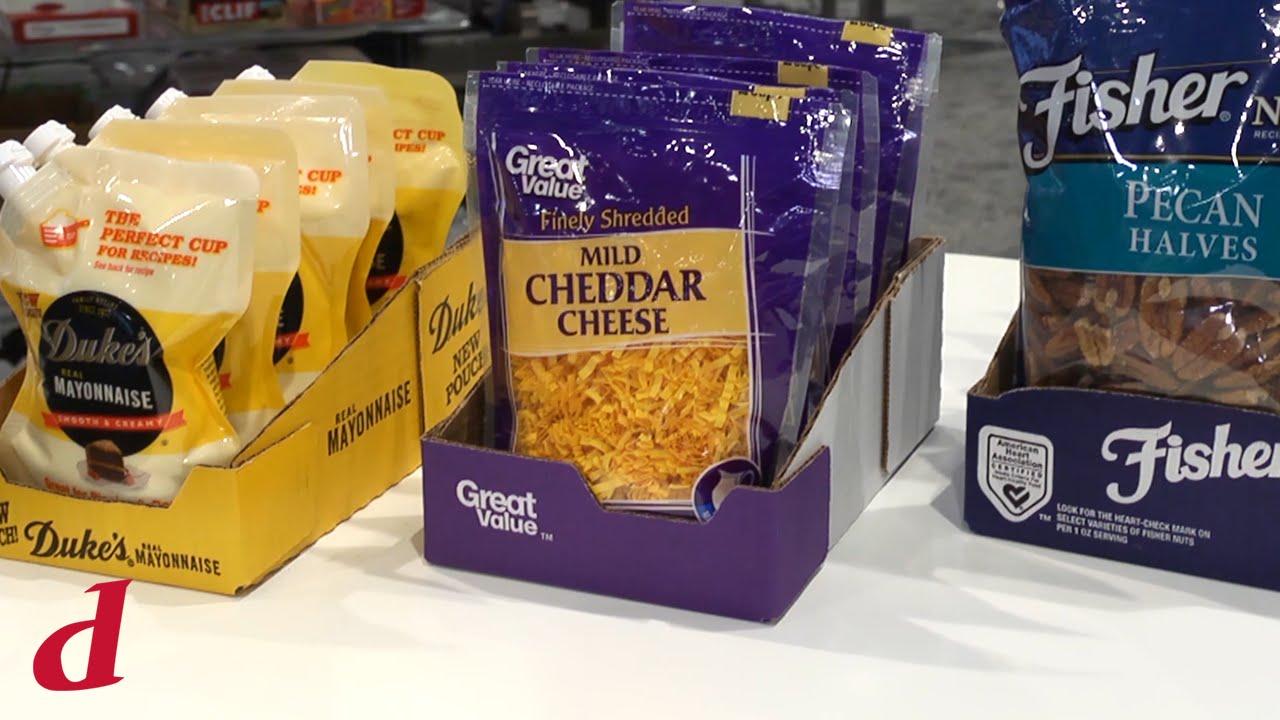
Closely connected to FtP package is retail-ready packaging, which improves the overall performance and effectiveness of the order fulfillment process. B2B firms who sell items online and deliver them to other shops may cut expenses by collaborating with a packaging specialist to produce containers that are available for shelves as soon as they arrive.

As merchants don't have to unbox single items from bigger containers, stock them one after the other, and so on, these sorts of containers may be customized with die cuts for showcase reasons, helping you to get products into customer’s hands quicker. They can easily remove containers off a pallet or van and place them on the ground. You may also add a number of designs and other elements to better market your business as they're built of dependable and incredibly strong corrugated material.

Automate as Much as Possible

While the methods listed above can help you deliver items to stores and even straight to customers more quickly, there's always the issue of your own packaging provider to consider. With the explosive growth of ecommerce and consumers' rising pressure for faster delivery, it's becoming extremely relevant for you to be able to concentrate on your good or service, business, and customers — without the confusion of trying to handle packaging stock levels, make purchases for more, and interact with suppliers. 

Electronically supplier supply, or eVMI, is an example of an automation packaging system that allows you to concentrate on your company while keeping your packaging stock in the hands of your supplier. Since some phases in the way, like as assembling and shipping processing, cannot be completely automated, removing the burden of maintaining your ecommerce package stock can allow you to keep your progress – and save effort and cash on the side.

From creative package designs to our patented eVMI technology that automates packing for businesses across all industries, our qualified and experienced team will assist with you to solve almost every ecommerce packaging issues you seem to have.


Tuesday, 13 December 2016

Better Boxes Sell More

Many candy businesses spend most of their time thinking about flavors, recipes, or decorations while barely noticing the packaging carrying the product. Then one day complaints begin showing up about crushed chocolates, messy deliveries, or stale candy arriving at customers’ homes. In many cases, the candy itself is not the real problem. The issue starts with packaging that was never designed to properly protect the product during storage, handling, or shipping.

A question many business owners ask is whether customers truly notice candy packaging. The answer becomes obvious during gift-giving seasons. People buying candy for birthdays, holidays, weddings, or thank-you gifts often care deeply about presentation. A neat candy box creates a stronger first impression before the package is even opened. Customers naturally associate organized packaging with professionalism and quality.

Another common question involves why some candy arrives damaged even when it was packed carefully. Delivery systems today move products quickly through warehouses, trucks, conveyor belts, and front porches. Packages may be stacked, tossed, or shifted multiple times before reaching the buyer. Candy boxes with stronger construction help absorb some of that stress and reduce movement inside the package.


Chocolate sellers deal with another challenge that many newer businesses underestimate. Heat affects candy quickly, especially during summer months. While no box can completely stop melting, proper packaging can help reduce exposure and slow down temperature changes long enough for products to travel more safely. Businesses shipping long distances often pair dependable candy boxes with cooling materials to improve protection.

Another thing people frequently ask is how packaging affects repeat customers. First impressions matter, but so does consistency. When buyers receive candy in secure, organized packaging every time, they feel more confident ordering again. Customers remember businesses that deliver products neatly instead of arriving with crushed corners or sticky wrappers pressed together.

Candy boxes also help during busy production periods. Holidays such as Christmas, Valentine’s Day, and Easter create huge spikes in candy orders. Organized packaging makes it easier for workers to sort, stack, and move products quickly without creating confusion. Structured boxes can help reduce inventory messes and improve efficiency during high-volume seasons.

Farm markets, local bakeries, and small candy shops often ask if packaging really matters for in-person sales. It absolutely can. Customers browsing tables or store shelves usually make quick decisions based on appearance. A clean candy box helps products look more appealing and easier to trust. Even handmade treats can appear more polished when packaged neatly.

Parents organizing school events or fundraisers also benefit from better candy packaging. Secure boxes help prevent damaged products while making transportation simpler for volunteers and teachers. Candy that stays organized is easier to distribute during large events where products move quickly between people.

Another growing topic involves environmentally responsible packaging. Many shoppers today appreciate boxes that can be recycled or reused instead of immediately thrown away. Businesses using recyclable candy boxes may appeal to customers who care about reducing waste while still wanting dependable product protection.

Packaging also helps businesses communicate information more clearly. Candy boxes provide space for flavor descriptions, ingredient details, allergy notices, or company branding. This can improve the customer experience while helping products stand out from competitors on crowded shelves.

Great candy deserves more than weak packaging that falls apart under pressure. A dependable candy box helps products stay fresh, travel safely, look better, and create stronger customer confidence from beginning to end.

Saturday, 14 November 2015

The Simple Packaging That Helps Sweet Treats Stand Out

Candy boxes are one of those packaging tools that immediately change how a product is perceived. A piece of chocolate on its own is just a treat. But that same piece inside a well-made box suddenly feels like a gift—something worth savoring, sharing, or giving to someone special. That transformation is why candy boxes are used in shops, bakeries, events, and gift businesses everywhere.

One of the biggest strengths of candy boxes is how they elevate presentation. People shop with their eyes first. Before tasting anything, they judge the look, the color, the arrangement, and the packaging. A strong, neatly folded box makes candies look organized and intentional. When treats sit in rows or nestle into small compartments, they instantly feel higher quality. Customers notice this. It’s one of the reasons they’re willing to pay more for boxed sweets—they’re buying the experience, not just the food.

Candy boxes also protect the treats inside. Chocolate can melt or smudge. Fudge can dent or flatten. Coated candies can chip. Without a box, the product loses its shape long before it reaches the customer. A sturdy candy box prevents that. It keeps everything in place, guards it from humidity or dust, and protects it during transportation and display. Whether the box is carried across town or shipped across the country, the structure helps the candies arrive looking just as beautiful as the day they were packed.

For businesses, candy boxes also create efficiency. Staff can pack chocolates quickly without dealing with messy wraps or odd-shaped containers. A box with predictable dimensions fits perfectly into shelves, displays, and gift bags. During busy seasons—like Christmas or Valentine’s Day—this convenience becomes essential. The faster workers can package treats, the more customers can be served without compromising quality.

Another benefit is portion control. Candy boxes make the product easier to price and easier to inventory. A six-piece box, a twelve-piece box, or a sampler assortment creates clear, consistent options for customers. Shops don’t have to weigh or count loose items over and over. Everything becomes predictable—something both customers and employees appreciate.

Candy boxes also make branding simple but powerful. A business doesn’t need expensive printing to create a memorable look. A sticker with a logo, a colored ribbon, or a custom label can turn an ordinary box into a recognizable brand asset. Some shops choose earthy kraft boxes for a handmade feel. Others pick glossy finishes for a more luxurious appearance. Even the shape of the box—square, rectangular, heart-shaped, or windowed—communicates something about the product and the company.

Clear window boxes deserve special mention because they blend presentation with practicality. Customers can see exactly what they’re buying. For beautifully decorated chocolates, dipped fruits, or pastel-colored candies, this transparency boosts impulse purchases. People love what they can see. A windowed candy box gives just enough of a preview to make the decision easy.

Candy boxes are also extremely useful outside commercial settings. Home bakers use them to present holiday sweets. Brides and event planners use them for favors. Parents use them for classroom treats or birthday giveaways. The box becomes part of the memory—something guests take home that makes the moment feel just a little more special.

What makes candy boxes so effective is their versatility. They can be elegant or simple, luxurious or minimal, festive or understated. They work for premium truffles, homemade fudge, colorful candies, and everything in between. No matter the style or occasion, the box enhances the treat.

Candy boxes turn sweets into experiences. They offer protection, beauty, convenience, and emotional impact—all at once. For something so small and lightweight, they make a surprisingly big contribution to how people enjoy, gift, and share their favorite treats.

Tuesday, 8 September 2015

Make Candy Gifts Stand Out

Ever handed someone a box of chocolates only to see them unwrap it and frown? It happens when candy is jumbled, smashed, or looks plain. But with a little planning, candy boxes can be more than treats—they can be moments of joy. Imagine their face lighting up before they even taste a single bite. That’s the power of packing right.

Before you pick a box, separate candies by size, shape, or type. Tiny truffles go in one section, small caramels in another, and long chocolates can line the sides. Picture arranging them like little soldiers, each standing neatly in its place. This keeps chocolates from bumping into each other and turning into a sticky mess.


Many candy boxes come with inserts—little trays or dividers that hold each piece. Even if the box doesn’t have them, you can create your own with cupcake liners or parchment paper. Think about how each candy will rest in its spot. A well-inserted candy feels like it’s sitting on a velvet cushion, safe and ready to delight.

If your box is tall and needs multiple layers, place tissue paper or thin cardboard between them. Imagine opening the box and lifting a neat layer to reveal another surprise underneath. Layers keep candies from squishing together and make the unwrapping experience feel like opening a mini treasure chest.


Nothing kills excitement faster than stale candy. Make sure your box closes snugly. Ribbon, elastic bands, or magnetic closures help protect treats and make the box feel elegant. Picture giving the gift and knowing the recipient will taste chocolates as fresh as the day they were made.

Candy boxes are fun to dress up, but balance is key. A splash of color, a small bow, or a sticker can turn an ordinary box into something special. Imagine your recipient seeing it on the table, already feeling delighted before even opening it. Small touches create big impressions.


Candy boxes don’t have to vanish after the last treat is eaten. Choose ones that can be reused for small storage, keepsakes, or crafts. It’s a thoughtful way to show care for both your recipient and the environment. Picture the box as a mini treasure chest that keeps giving long after the candy is gone.


Finally, include a note or card. A few words like “Enjoy every bite!” or “Just for you” make the candy feel personal. It turns a simple gift into an experience that lingers in their memory. Picture them smiling as they read your note, feeling special and appreciated.


Packing candy boxes is about more than keeping chocolates safe—it’s about creating joy, excitement, and lasting memories. With careful sorting, inserts, layers, sealing, decoration, and personal touches, your gift becomes an experience. Each candy feels like a small moment of happiness, and the box? A keepsake that shows thoughtfulness and care.


Why Saying Things with a Box is Better than Ever

  Packaging is not just a straight approach, but rather omnichannel.  A lot of marketers have heard of this, but this is something that has ...